
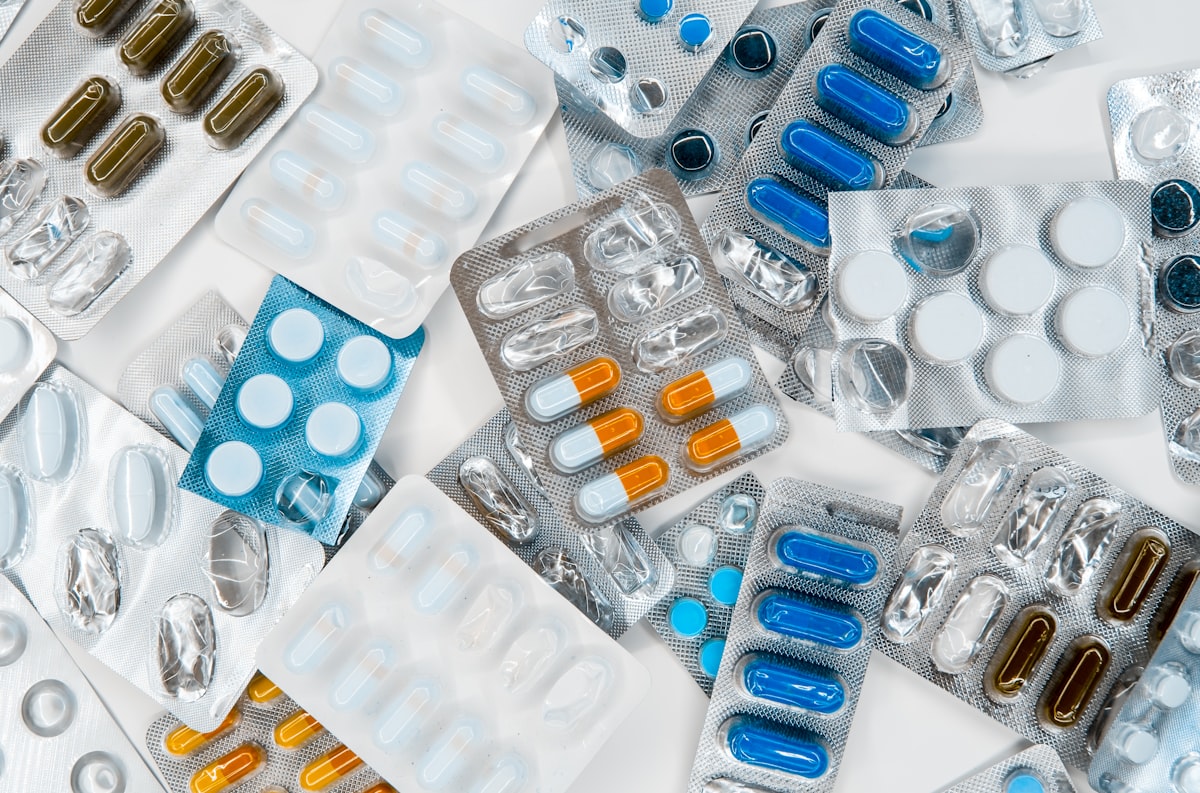
A procurement manager at a mid-size pharmaceutical distributor has three tabs open. All three are Indian manufacturers who can supply the API or formulation they need. Your company is one of them.
In the next four minutes, two of those tabs will be closed. The one that stays open will get the inquiry.
What determines which tab survives is not your product quality. It is your website.
How Procurement Teams Actually Research
B2B pharmaceutical buying does not start with a cold call. It starts with a search. The buyer types something specific: WHO-GMP certified API manufacturer India, or contract manufacturing organisation paediatric formulations, or third-party pharma manufacturer Gujarat.
If your website does not rank for those terms, the search ends before it begins. But even if you do rank, showing up is only step one.
The buyer clicks through and immediately starts evaluating. They are not reading. They are looking for specific signals that tell them whether your facility is worth a conversation. If those signals are not visible in the first twenty seconds, they move to the next result.
The Five Questions Your Website Must Answer Immediately
1. Are you certified? WHO-GMP, ISO, Schedule M compliance, FDA approval if applicable. These need to be visible on your homepage, not buried in a PDF three clicks deep. A row of certification badges near the top of the page does more work than a paragraph of text.
2. What do you manufacture? Tablets, capsules, liquids, injectables, APIs, nutraceuticals. Be specific. A vague “we manufacture pharmaceutical products” tells a procurement team nothing. Name the dosage forms, the therapeutic categories, the manufacturing capacity per month.
3. What is your capacity? A buyer qualifying a supplier wants to know if you can handle their volume. Give a number. Millions of units per month per line, or annual output in metric tonnes for APIs. If the number is good, say it loudly.
4. What does your facility look like? Facility photos are one of the highest-trust signals on a pharma B2B website. A photo of a clean, modern production floor communicates more in two seconds than three pages of text. If you have a WHO or FDA audit report you can share, link to it.
5. How does someone contact you? Not a generic contact form. A named person, a direct email, a phone number, and ideally a WhatsApp number. B2B buyers in pharma are often working across time zones. They want to know there is a person on the other end, not a ticketing system.
Why a Brochure Site Is Not Enough
Most pharmaceutical manufacturer websites were built to display, not to convert. They have a home page, a products page, a certifications page, and a contact page. Everything is present. Nothing is doing any work.
A brochure site assumes the buyer will take the time to explore, find what they need, and reach out. The reality is that buyers qualify or disqualify in the first page they land on. If that page does not surface the certifications, the capacity, and the contact path, the buyer is gone.
The difference between a brochure site and a conversion asset is specificity and hierarchy. A conversion-focused pharma website puts the most qualifying information at the top, makes the contact action obvious, and gives the buyer a reason to act now rather than save the tab for later.
What Trust Looks Like in the Pharma B2B Context
Beyond certifications, there are softer trust signals that matter significantly to international buyers.
Client logos if you can share them. Even a statement that you supply to distributors in specific countries signals that others have already qualified you.
A named quality contact, not just a sales enquiry form. Buyers want to know who they are starting a conversation with.
Downloadable documents. A technical data sheet, a product dossier outline, or a capability statement in PDF format gives the buyer something to take into their internal evaluation process. It moves you from a website tab to a file on their desktop.
The Inquiry You Are Missing Right Now
There is a buyer searching for what you manufacture today. They will find your website or a competitor’s. The product quality is comparable. The pricing will be discussed in conversation. The thing that determines which company gets the inquiry first is which website gave them the confidence to reach out.
If you want a review of your current site and a clear picture of what is costing you inquiries, contact us. We work with manufacturers who are ready to present their capability as well as they deliver it.